The Stolen Voice
Film
The Stolen Voice
1915United States
William A.Brady Picture Plays Inc.
Production company
William A.Brady Picture Plays Inc.
Production company
35mm polyester positive print
Preservation funded by National Endowment for the Arts
2005.0286.0001
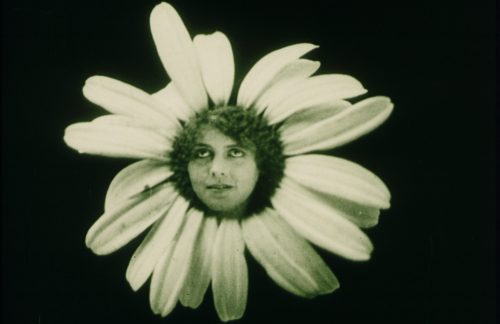
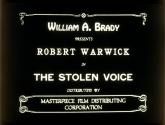
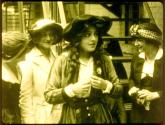
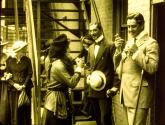
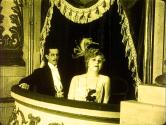
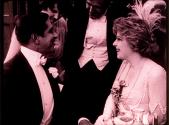
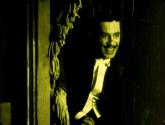
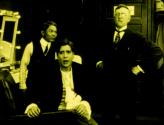
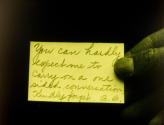
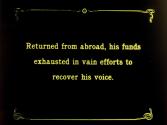
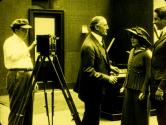
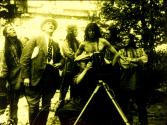
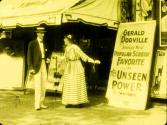
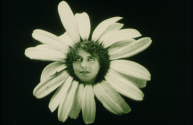
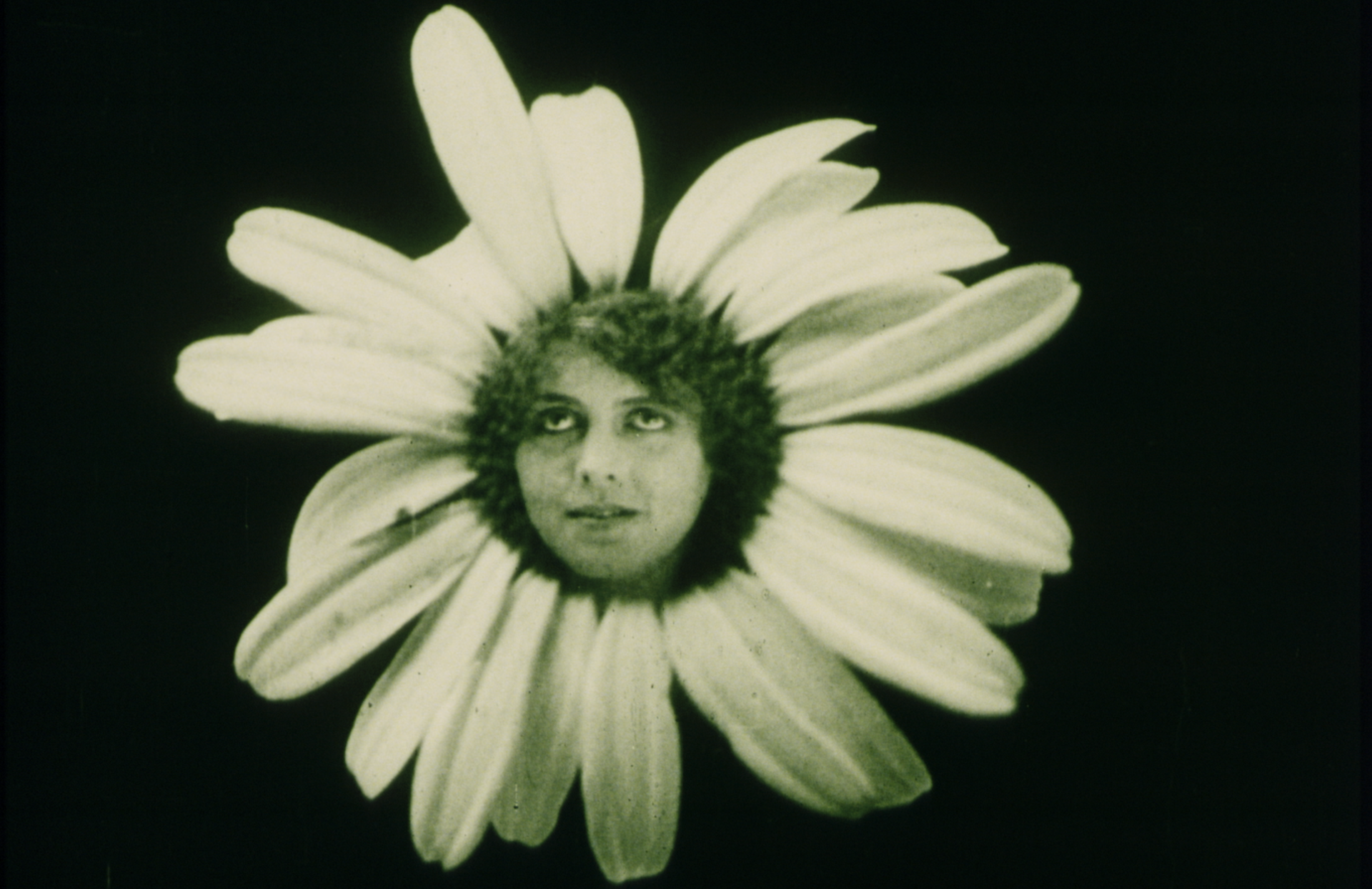
TextProducer William A. Brady began his career in the theatre and expanded into the film industry, eventually merging his production company with the Shubert Organization to produce film versions of their stage hits. The Stolen Voice neatly blends these two facets of the performing arts—stage and screen—in a story utilizing the popularity of the hypnotist/magician as embodied in the character of Dr. Von Gahl. His unsuspecting victim, opera singer Gerald D’Orvill, suddenly loses his voice and finds himself unemployable on the stage. However, he segues into the silent film business with surprising results. Mediums, mind-readers, and telepathy acts were extremely popular on the stage in the early twentieth century, and the evil Dr. Von Gahl is reminiscent of Svengali in his ability to control another human being simply by applying the power of his mind. When his life ends, so, too, does the energy that ensnared his helpless and unsuspecting victim. The unfortunate D’Orvill is played with easy naturalism by Robert Warwick (1878–1964), a popular stage actor and singer who was even more prolific on film. He began his screen career by starring in The Dollar Mark (1914), and concluded with a guest spot on the TV series Dr. Kildare in 1962. In between, he played roles in dozens of films, and worked with leading directors such as Preston Sturges, René Clair, Michael Curtiz, William Dieterle, and Nicholas Ray. The evil Dr. Von Gahl is played by George (Giorgini or Giorgio) Majeroni (1877–1924) whose 33-picture film career began with Famous Players Lasky’s The Sign of the Cross (1914) and concluded with another independent production, How Women Love (Betty Blythe Productions, 1922).
George Eastman Museum website text
March 2021
Generous support for the video introduction provided by Art Bridges.
Restored from 28mm to 35mm at Haghefilm Laboratory
Digitized by Eastman Museum Film Preservation Services
The restoration was funded by the Save America’s Treasures Grant, generously supported by the National Park Service in partnership with the National Endowment for the Humanities. We gratefully acknowledge the Library of Congress for providing supplementary materials for this project.
The piano accompaniment for this online presentation was composed and performed by Philip C. Carli.
This film has been made accessible to the public in part by the National Endowment for the Humanities: NEH CARES. Any views, findings, conclusions, or recommendations expressed in this video, do not necessarily represent those of the National Endowment for the Humanities.
George Eastman Museum website text
March 2021
Generous support for the video introduction provided by Art Bridges.
Restored from 28mm to 35mm at Haghefilm Laboratory
Digitized by Eastman Museum Film Preservation Services
The restoration was funded by the Save America’s Treasures Grant, generously supported by the National Park Service in partnership with the National Endowment for the Humanities. We gratefully acknowledge the Library of Congress for providing supplementary materials for this project.
The piano accompaniment for this online presentation was composed and performed by Philip C. Carli.
This film has been made accessible to the public in part by the National Endowment for the Humanities: NEH CARES. Any views, findings, conclusions, or recommendations expressed in this video, do not necessarily represent those of the National Endowment for the Humanities.